


it’s official He Time of year. The temperatures are dropping, the hot tea is flowing and flu season is here. But that’s not the only disease looming over travelers this holiday season.
According to Dr. Waleed Javed, epidemiologist and professor of medicine at West Virginia University, “Currently, there is a mix of respiratory illnesses, including COVID-19, influenza, and RSV (respiratory syncytial virus). Other common illnesses include bacterial infections like norovirus and E. coli. As we enter the colder months and holiday gatherings, due to increased close contact and indoor activities “Respiratory infections are on the rise.”
Thankfully, we learned a lot about minimizing illness while traveling during the COVID-19 pandemic. “Covid taught us the importance of boosting immunity through hand hygiene and lifestyle practices,” he said. Dr. Taj BhatiaA board-certified integrative medicine physician and medical advisor to the cold and flu drug brand Genexa. Luckily, many of the precautions you’ve learned to prevent the spread of COVID-19 will also help protect you from seasonal influenza, according to Healthline (which is owned by TPG’s parent company, Red Ventures).
The last thing you want is to catch a bug on the plane and be miserable for the rest of your vacation. Follow these tips to protect yourself and your family from flu and other illnesses while traveling.
wear a mask
Earlier, wearing a mask while flying was mandatory. Although these rules have been lifted, wearing a face covering can still help keep you from getting sick on your next flight. A 2020 study by the US Department of Defense found that the risk of COVID-19 transmission on aircraft was “extremely unlikely” when masks were worn. Masks will also protect you from other common respiratory viruses, like influenza, which are transmitted through the air.
currently, Centers for Disease Control and Prevention The use of masks is recommended for sick passengers (with fever or respiratory symptoms) and for people sitting near sick passengers (with fever or respiratory symptoms) to help reduce the spread of respiratory germs when the sick passenger cannot afford to wear a mask.
keep your hands clean
We all know washing hands is important to avoid illness, but this is especially true when traveling.
“Keep your hands clean,” said Dr. Nicholas Testa, California regional chief medical officer for CommonSpirit Health. “This means a combination of good hand hygiene with soap and water or alcohol-based hand sanitizers.”
According to CDCHand washing is “the most important infection control measure”. It recommends using “alcohol-based hand sanitizer (containing at least 60% alcohol) if soap and water are not available.”
Reward your inbox with the TPG Daily newsletter
Join over 700,000 readers for breaking news, in-depth guides and exclusive deals from TPG’s experts
leave the bathroom
If it’s a short flight, make sure you go to the bathroom before takeoff, says a New York-based primary care physician. Dr. Marina Gafanovich Told TPG. Why?
“You have to understand that there are multiple people sharing that bathroom,” he said. “And research shows that sinks, flush handles and toilet seats in airplane bathrooms have significant germ concentrations. That’s why it’s best to use paper towels when you touch the toilet seat or faucet or even doorknobs.”
stay hydrated
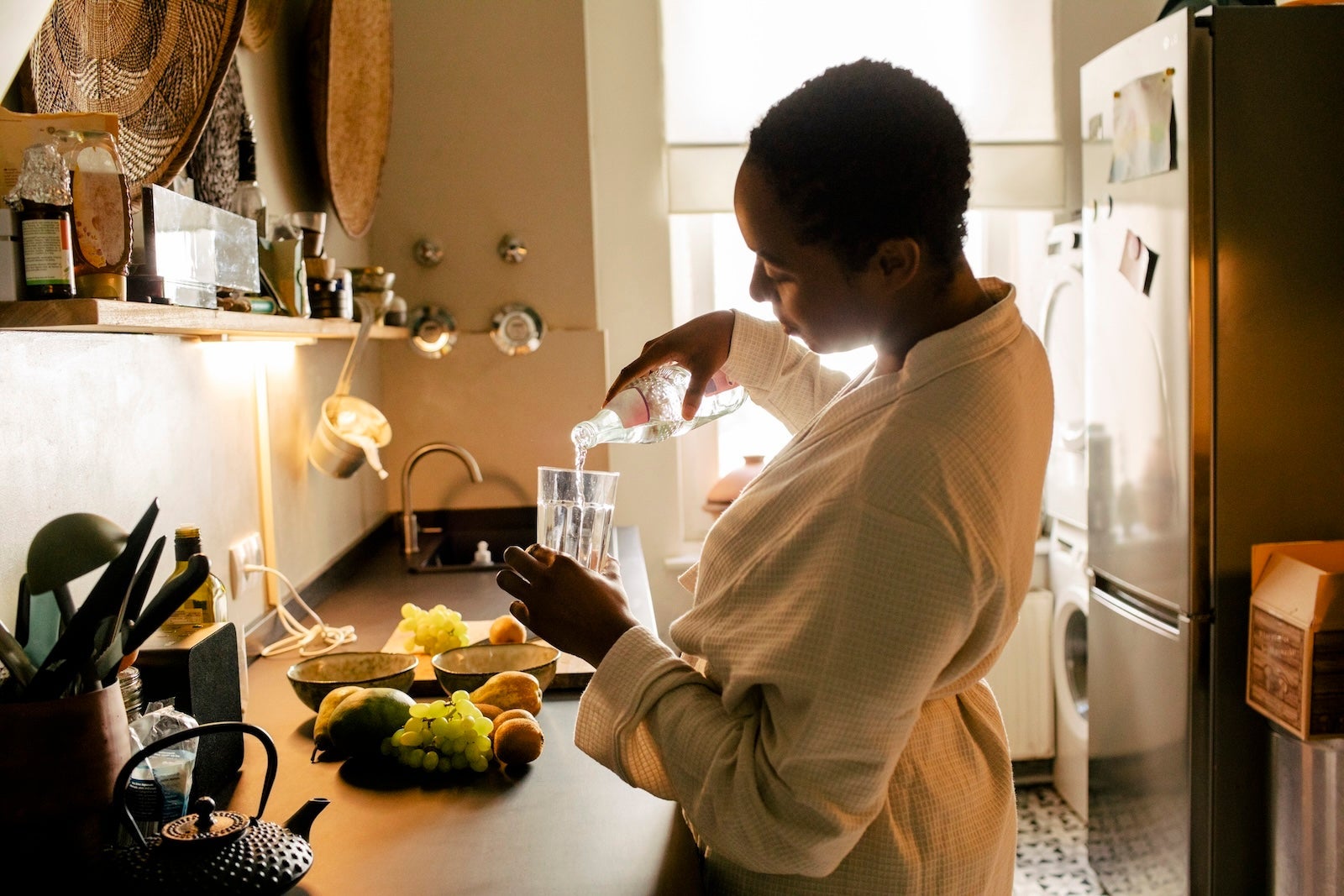
While a comfortable indoor humidity ranges from 30% to 65%, the humidity inside an airplane cabin is only around 10% to 20%. According to Northwestern MedicineToo low humidity of cabin air can dry out the mucous membranes of your nose and airways, When these tissues dry out, they become more susceptible to viruses and bacteria, To deal with this, stay hydrated,
“Bring your own water bottle and aim to drink 8 ounces of water per hour you’re in the air to maintain your hydration,” said Dr. Nate Favini, chief medical officer of virtual care company Pair Team. “Alcohol and caffeine will dehydrate you even more, so save the cocktails and coffee for your destination.”
avoid certain areas of the plane
In addition to washing your hands, be mindful of areas on the plane that are particularly high-touch surfaces. For example, the flu virus can survive on any hard surface for up to 24 hours.
“Don’t use tray tables and, if you really have to, make sure you carry sanitary wipes with you and clean it before using it,” Gafanovich said. “Also, don’t put stuff in the seat back pocket. We know a lot of people use it, so it’s likely to be full of germs.”
Testa also recommends avoiding or wiping down overhead air vents, toilet flush buttons and seat belt buckles. So, be sure to stock up on hand sanitizing wipes before your next flight.
Stick with the classics like Purell, or try trip wipesAntibacterial towelettes with refreshing citrus scent specially designed for travelers. And if you just want to spray your hands (or everything), try Dr. Bronner’s Lavender-Scented Organic Hand Sanitizer Spray In Transportation Security Administration compliant bottles.
don’t touch your face
Even if your hands are clean, it’s still best to keep them away from your face.
“Even if your hands have touched the dirtiest, germiest surfaces, you won’t get sick unless you bring those germs to an entry point (nose, mouth, eyes),” said Dr. Frank Contessa, a Florida-based internist. “Make it a habit not to rub your eyes, touch your mouth or your nose until you have washed your hands. This is one of the best ways to avoid getting sick.”
wear gloves
Can’t you give up the habit of touching your face? Try gloves.
Dr. Julie Fisher, associate research professor in the department of microbiology and immunology at Georgetown University, told TPG, “Gloves are useful in the sense that they remind people not to touch their nose and mouth… When you wear gloves, you become hyper-conscious of it. But the best protection for individuals is to be very careful about hand washing.”
Choose your seat carefully
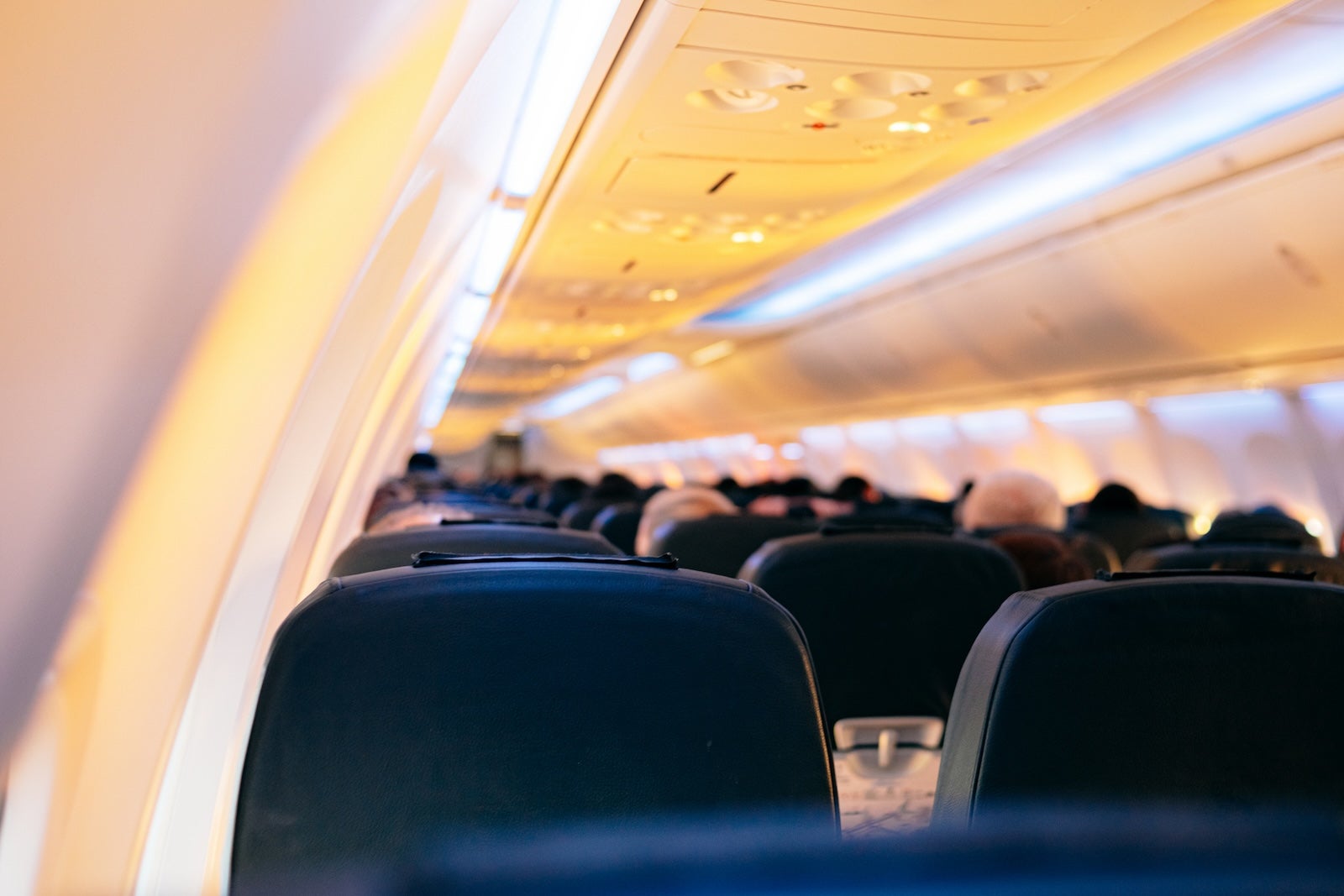
Studies have shown that airplane aisle seats are heavily trafficked and have a higher risk of exposure. Why? Well, to some extent, sick patients brace themselves on those seats when they go to the bathroom.
“If you want to reduce the risk of respiratory transmission, a window seat is a better option,” Testa said. These seats generally do not have as much contact with passengers.
keep your air vent on
Although you might think sitting in recirculated air for hours would increase your risk of disease, keeping your air vents running can actually help.
“There has been some research that has shown that using an overhead air vent directed directly downwards can create a cone of protection,” Contessa said. “This can actually prevent airborne germs from getting close to you. The airflow from the vent can help keep germs away from another passenger’s sneeze.”
In fact, high-efficiency particulate air or HEPA filters found on planes remove at least 99.97% of airborne viruses and bacteria. That air is also refreshed about 20 times per hour, whereas an office is only refreshed about 10 times.
prepare your body
Even before you step on a plane, you can start taking preventative measures to avoid getting sick. CDC recommends Staying up to date on vaccinations, including annual flu shots, COVID-19 boosters, and RSV vaccines for those eligible, to reduce the risk of serious illness.
Additionally, “prioritize sleep, a balanced diet, and supplements like vitamin D and zinc,” Bhatia said.
It’s also worth packing vitamin C. “Studies have shown that people under stress who take 1,000 milligrams of vitamin C per day are less likely to get sick from viral infections,” Favini said. “And travel is often stressful.”
ground level
Even though the worst of the COVID-19 pandemic has passed, it is still important to stay healthy while traveling. The above tips can help reduce your risk this flu season so you can make the most of your holiday trips.
When stocking up on supplements, hand wipes and other supplies, don’t forget that some credit cards earn bonus points at drugstores or grocery stores. And when it comes time to update your vaccinations, consider the best credit cards for medical expenses.
